
Effective apps feature intuitive navigation, quick workout selection, and minimal learning curves. Testers rate apps higher when workouts are “easy to find, see, hear, follow along, and track” [2]. Consider how the app handles offline access and whether it provides audio cues during workouts to guide transitions between exercises. They come packed with multiple features, such as diverse sports mode settings, exercise data management, and progress tracking, catering to a variety of physical activities, including home workouts. By using smart fitness wearables, you can improve your workout routine and motivate you to achieve your fitness objectives. The first part of the questionnaire contained 10 questions about dietary behavior and PA changes.
How to design a gym app?
It’s time to embrace progressive technology to improve user experience and build helpful and reliable solutions. Physical activity applications are aimed to help people keep fit and develop healthy habits. Elliptical reviews examined workout apps’ impact on exercise and found that 91% of respondents felt more fit after using workout applications. Well, when developing a physical activity application, you should carefully examine your target audience, their needs, and requirements and choose an appealing and effective feature set. One of the most popular fitness apps, Nike Training Club, could be a great example of what a successful fitness app should look like.

IFIT’s cheaper tier is more affordable than the average workout app, but the app’s self-guided nature might not be a fit for everyone’s training style. Log your workouts and track your progress on Hevy app while being part of an amazing community of 11+ million gym athletes. The right way to reduce this cost without compromising on the quality and project scope is by choosing cross-platform app development. If you wish to create a workout app both in iOS and Android versions through native frameworks, it may cost you a big fortune (almost $90,000 to $1,05,000). This data is then matched with the performance criteria and goals on the app to produce the progress reports for an individual.
- Additionally, providing options for social media login simplifies the onboarding process.
- Partnering with fitness brands or nutrition companies for sponsored content or product placement can generate revenue.
- Another limitation found in this study was the size of the sample; the perceptions of the customers of only a single private fitness centre were analysed.
- For general programming, apps earned a 4- or 5-star rating when the monthly membership fee was under $15.
- The uncontrollability generated in this process will cause body anxiety (50).
- Compliance matters—depending on the app type, you may need to follow GDPR, HIPAA, or local health data standards.
c. Strength Training Mode:
Additionally, syncing fitness apps with wearable devices provides a more complete picture of health metrics. This data can be invaluable for individuals with chronic health conditions, allowing them to work closely with healthcare providers to manage their conditions effectively. One of the biggest advantages of fitness apps is their affordability compared to traditional workout options. Gym memberships and personal training sessions can be expensive, putting a strain on budgets. The rapid growth of technology has significantly changed the fitness business in recent years. Fitness enthusiasts are no longer restricted to conventional gyms or geographical areas; they have extensive tools and services.
Therefore, the perception of app quality is a topic of interest and can influence the intention to use fitness apps (Yang et al., 2022; Yang and Koenigstorfer, 2020). According to the questionnaire, 97 out of 500 participants (19.4%) agreed that they could not find an app that met their expectations. Further development of diet and PA apps could involve tailoring to match requirements on a personal or subgroup level, such as for teenagers, young adults, middle-aged adults, or older adults. These subgroups differ in knowledge, experience, health situations, and goals. Tailoring apps to meet personal needs has been discussed and suggested in previous studies [23,34,35].
Summary of fitness tracker usage
Prior to 2020, the Nike Training Club app had both free and premium versions, but since the pandemic, Nike has made the entire workout library free to use. The app is also easy to download from the Apple App Store or Google Play, and we found it easy to set up and get started. Zwift scored highly in most categories, but as it’s more of a racing app than a platform that provides instruction, we only gave it 2.5 out of 5 stars for accountability and instruction. Zwift uses game features to make indoor cycling and running more fun, but the app has a history of crashing and isn’t great on small phone screens. As you train, Fitbod tracks your progress and even shows a heat map of your recent training, allowing you to see which muscles have been trained.
Trend 5. Potential Impact of Virtual Reality (VR)
Close collaboration with fitness app developers keeps costs structured through preventive maintenance and scalable improvements rather than emergency rebuilds. App store optimization (ASO)—optimized keywords, visuals, ratings strategy—drives discovery in competitive health categories. Marketing should highlight differentiated value such as artificial intelligence integration or certified coaching. Modern DevOps practices (CI/CD pipelines, automated builds) shorten release cycles and improve quality.
How do I create a fitness challenge with my friends?
Moreover, the tracker’s ease of use and user-friendly interface significantly influence its adoption26,28. Besides exercising and https://vinnews.com/2025/02/14/mad-muscles-review-no-hidden-fees-just-full-access-to-everything-you-need/ participating in sports or physical activities, a majority of people have become conscious of their intake of what they eat in a day. This helps users make informed choices, achieve their nutritional objectives, and support overall health and well-being. AI enhances fitness applications by providing customized workout plans, tracking user performance, and recommending adjustments based on preferences. In gym workout app development or personal training app development, AI enables users to receive personalized guidance, optimize routines, and predict progress. Leveraging AI in mobile fitness apps and wellness apps increases retention, improves user feedback, and positions your own workout app as a robust, intelligent tool in the competitive fitness app industry.
Real-World AI in HR Case Studies: Problems, Solutions, and Measurable Results
If you own an iPhone, it’s a no-brainer to sign up for a workout app that is already built into your smartphone and allows you to work out anywhere. Some positive reviews users have shared are that the app finally got them to be more active, while another says it gave them the freedom to get in shape on their own time frame. Ladder offers a free seven-day trial, and afterward you can pick from a Pro plan for $30 a month or the Pro Plan-Annual, which is an up-front fee of $180 for the year and offers unlimited access to the app. If you like to run outdoors, for example, you’ll likely want an app that offers location tracking. Table 2 shows the initial levels for each investigated physical functioning item before intervention. Consequently, estimated treatment effects refer to the collapsed outcome levels.
Example of Potential User Personas
The app tracks key performance metrics such as heart rate, calories burned, and elevation changes to help you assess your workout effectiveness. FitXR (2017) is a virtual reality (VR) fitness app designed for people seeking an immersive and engaging way to work out. The app offers various workout styles in a VR environment, combining fitness with gamification to keep users motivated.
Basic Features vs. Advanced Features
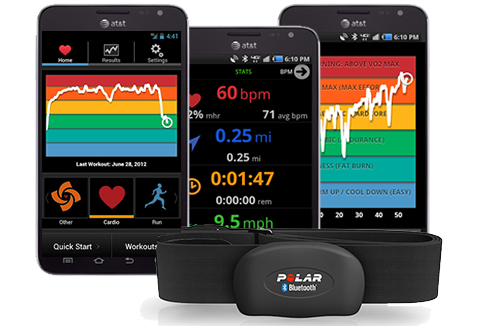
But with so many options available, it’s not enough for a fitness app to simply exist. The real challenge is building an app that users love, return to again and again, and are willing to invest in. That’s why the smartest fitness brands and startups focus not just on flashy features, but on thoughtful strategies that keep users engaged and drive real revenue growth. Integrating biometric sensors and advanced health-tracking capabilities will become standard when creating a fitness app. Wearable devices and smartphone sensors can provide real-time data on heart rate, oxygen levels, and other health metrics.
Timing Your Data Updates
The level of personalization, modification, versatility, and accountability you get for the price is, quite frankly, insane. There are a million and one fitness apps out there that hover around the same price point, but most don’t offer anything nearly as comprehensive as JuggernautAI. Kate Meier, NASM-CPT, USAW-L1, CF-L1, says her coach is fantastic about daily check-ins and gathering feedback. “Seeing my fitness rings on my Apple Watch worked really well for me in terms of keeping me on track with my workouts,” says Kate, who gave Future 4 out of 5 stars for interactive features. This beginner-friendly workout app can be accommodating for a range of different skill sets and equipment setups.